
In short
- Google AI Overviews can cut organic traffic by up to 70% on informational searches, even for sites that otherwise rank well.
- When Google picks content for its overviews, ranking position is not the main thing it looks at. Expertise, experience, authority and trustworthiness (E-E-A-T) weigh more, and so does a clear text structure.
- You improve your odds by using Schema markup properly (FAQ or Article), phrasing headings as questions (H2/H3) and giving a direct, complete answer in the first sentences.
- AI Overviews are not the same thing as classic Featured Snippets or AI Mode search. For small companies, optimizing for overviews is usually the fastest route to a visible result.
Google now answers instead of your site: what you need to do
Organic traffic drops sharply and without warning. When business owners open Google Analytics, they often find the cause is AI Overview, a generated answer that sits above the organic results and grabs the user’s attention before they ever reach the sites. Even well-positioned sites, built over months of work, lose visibility not because they slipped in the rankings but because Google now answers in their place. That is not a forecast. It is already happening, including for searches in Bulgarian. Platforms like Ninorai.com watch these shifts every day and help their clients adjust their content to the new conditions.
What Google AI Overview is and why it matters for your business
AI Overview is a new type of result in Google where artificial intelligence summarizes an answer to the user’s question and puts it right at the top. The summary is not an ad, and it is not the Featured Snippet you already know. Google pulls information from dozens of sites, then the Gemini language model rewrites it into one direct, readable answer.
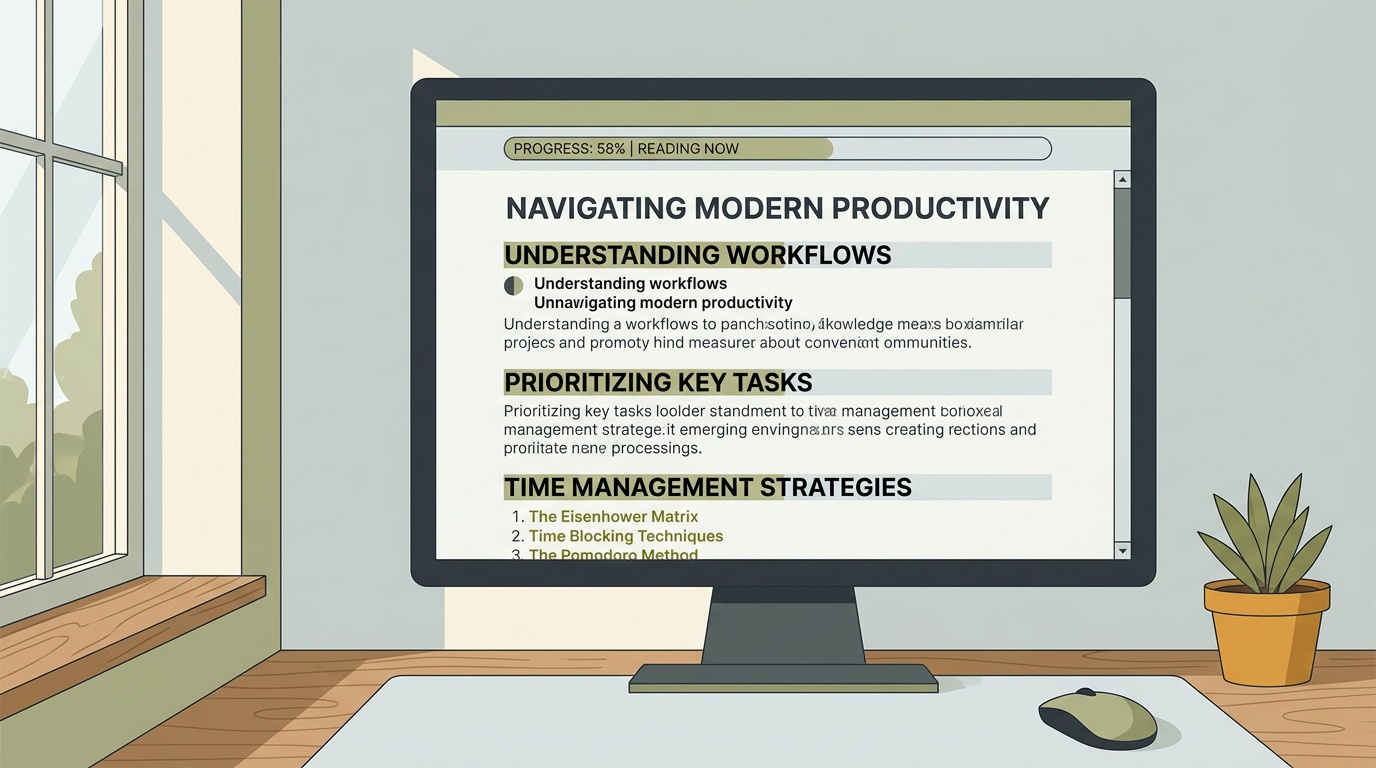
The feature grew out of Google SGE (Search Generative Experience), which had been in testing since 2023 and rolled out broadly in 2024. Forbes has a good primer in Google AI Overviews: Everything You Need To Know. Gemini gathers data from many sources, arranges it into a structured answer and adds references to the sites the information came from.
AI Overview does not remove the organic results, but it pushes them further down the page, which lowers the chance that a user clicks on them.
AI Overview shows up directly in the standard search results, mostly on informational and question-type queries. AI Mode is a separate interface behind its own tab, built for longer back-and-forth conversations with the search engine. The two work differently and need different optimization strategies. Mixing them up is a mistake, because it sends your SEO work after the wrong priorities.
How AI Overview changes organic traffic: real data and takeaways
An analysis by DataSlayer, shared by Forbes, shows a 61% drop in organic CTR on queries where Google now shows an AI Overview, according to Google AI Overviews: How to Recover Lost Website Traffic. A report by Seer Interactive puts the drop even higher, up to 70%, for certain types of searches, according to Google's AI Kills Traffic: Here's How Small Businesses Can Survive.
Ranking first no longer protects you. Sites in the top three positions lose clicks too, because users now get their answer right in the results and never click through.
Some sites come out ahead, though. The ones cited in AI Overview gain visibility and authority. So the goal is to be inside the answer itself, not just in the list of links beneath it.
How Google picks content for AI Overview: the key factors
Google does not pick sites at random. Whether a piece of content makes it into an AI answer comes down to five fairly clear rules.
- The most important criterion is E-E-A-T: experience, expertise, authoritativeness and trustworthiness. Content with no named author, no authoritative domain and no evidence of real experience rarely gets in.
- Clearly structured material with proper headings (H2/H3) and direct answers beneath them is something Gemini can process and synthesize much faster.
- Structured data (Schema markup: FAQ, HowTo, Article) raises the chance of a citation, because it hands useful information straight to Google.
- Internal links and the topical authority of the whole site tell Google the source knows its niche.
- The direct answer to the question should start within the first one or two sentences. Not further down.
Ranking in the organic results is not a prerequisite. A site outside the top 10 results can be cited in an AI overview if its content gives a precise, authoritative answer. That makes AI overviews a new source of traffic and visibility in their own right, not an add-on to standard SEO.
AI Overview, Featured Snippet and AI Mode: differences and tactics
| Criterion | Featured Snippet | AI Overview | AI Mode |
|---|---|---|---|
| Number of cited sources | 1 | Multiple (3-10+) | Multiple, conversational |
| Content requirements | Direct answer, structure | E-E-A-T, structure, Schema | Depth, conversational context |
| Effect on CTR | Mixed, depends on the query | Significant drop on informational queries | Not yet measured at scale |
| Required SERP position | Usually top 5 | Not required | Not clearly established |
| Suitable query type | Informational, definitional | Informational, question-based | Complex, conversational |
AI Overview, Featured Snippet and AI Mode get mentioned in the same breath all the time, but they are different tools with different goals. All three reward well structured content and clear answers, yet the approach to each is quite different. If your resources are limited, AI Overview is the better bet, because the chance of being cited as one of several sources is higher. AI Mode can wait until it matures a bit. Right now it simply takes a lot more work. For small and mid-sized companies, the sensible move is to concentrate on AI Overview and reach a wider audience with less effort.
Practical steps to optimize your content for AI Overview
So much for theory. The actual work looks like this:
- Find the question-type queries in your niche with Google Search Console or the "People also ask" block in the SERP. Then write content that answers each one directly within the first two paragraphs.
- Structure every article with H2 and H3 headings phrased as questions. Gemini extracts content more easily when the question and the answer sit in one place.
- Add an FAQ section at the end of the article with short, direct answers, and implement FAQ Schema through structured data.
- Apply Article Schema with the author and datePublished fields. Those signals feed Google’s E-E-A-T assessment.
- Build internal links between topically related articles. A domain’s topical authority is cumulative, so every connected article counts.
For the wider picture of organic growth, including how these principles fit into an overall strategy, the guide to organic SEO for Google and AI search engines covers the full framework.
None of these steps is complicated. The difficulty is doing them consistently. One well-optimized article does not build authority. Twelve of them, published on a schedule, do. That is exactly why ninorai.com automates the whole process, from structure and Schema markup to internal links and FAQ sections, for businesses that want results without running a full marketing team. The platform offers a 14-day free trial with four real articles.
Frequently asked questions
Does AI Overview reduce organic traffic to a site?
In most cases, yes. On informational queries, when the user gets a direct answer in the results, visits to the site often drop. Transactional and local queries are usually less affected. If a site is cited in AI Overview, that can raise its authority and bring in new visitors.
Does a site need to rank in Google’s top 3 to appear in AI Overview?
Not necessarily. Google picks sources based on their expertise, experience and trustworthiness (E-E-A-T), and on the structure and topical strength of the content. Even a site outside the top three results can be included if it gives the best, most direct answer to the specific question.
How can you check whether a site already appears in AI Overview?
You can check manually: search your key queries in Google and see whether the site is cited in the generated answer. There are also SEO analysis tools that track these citations in their reports.
What is the difference between AI Overview and AI Mode?
AI Overview appears directly in the standard search results when the query suits that type of answer. AI Mode is a separate interface with a conversational format, reached through a dedicated tab. So optimizing for the two formats takes two different strategies.
How fast can a small business gain visibility in AI Overview?
There is no fixed timeline. Sites with established expertise and well-structured content can expect citations within roughly 4 to 8 weeks after optimization. New domains without built-up authority usually need about 3 to 6 months of consistent work before Google treats them as a reliable source of information.